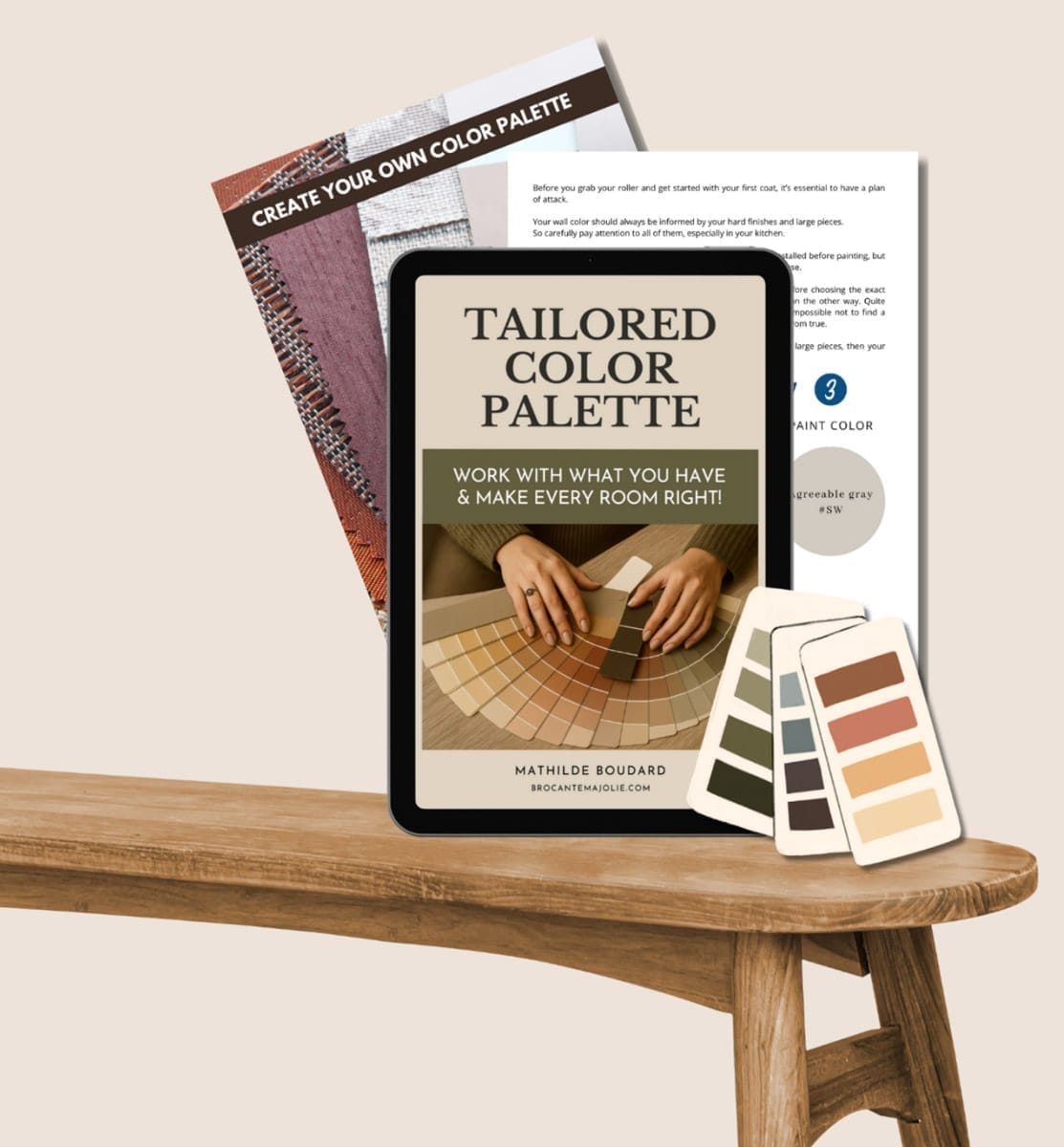
Create a Color Palette That Finally Works for YOUR Home
BEAUTIFUL COLORS CAN STILL CLASH IF THEY DON'T MATCH YOUR HOME'S EXISTING ELEMENTS
Use your existing finishes as anchors for the right palette
Choose colors that work together throughout your home
Avoid subtle mistakes that make a room feel wrong
Use simple worksheets to make confident decisions
THE REAL REASON CHOOSING COLORS FEELS SO HARD
If you’ve ever painted a room twice, bought endless samples, or felt disappointed once everything was finally on the walls… you’re not alone.
Most people try to pick colors based on what they like or what they saw on Pinterest, but not based on what actually works with their home’s existing elements.
Your floors, tiles, counters, wood tones, and fixed materials already set the rules.
But no one ever taught you how to read those rules.

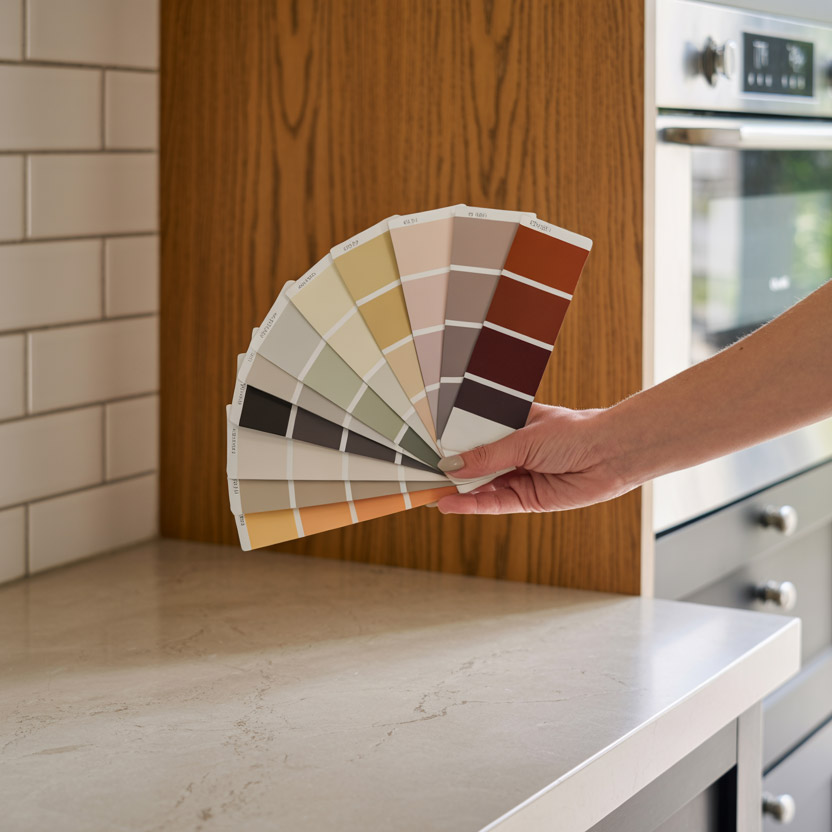
The Issue Isn't the Color.
It's the Context.
Color doesn’t exist on its own.
It reacts to everything around it: your lighting, your materials, your wood tones, your furniture, and even the room next door.
But most people choose colors independently, focusing on the shade itself instead of how it behaves in their home.
That’s why a color you loved in someone else’s house suddenly looks “off” in yours.
THE STRUCTURE YOU'VE BEEN MISSING ALL ALONG
Choosing colors stops being stressful the moment you understand how to choose them.
This guide gives you the simple and repeatable method you’ve always needed. One that connects your existing materials, your undertones, and your future color choices into a single, cohesive palette.

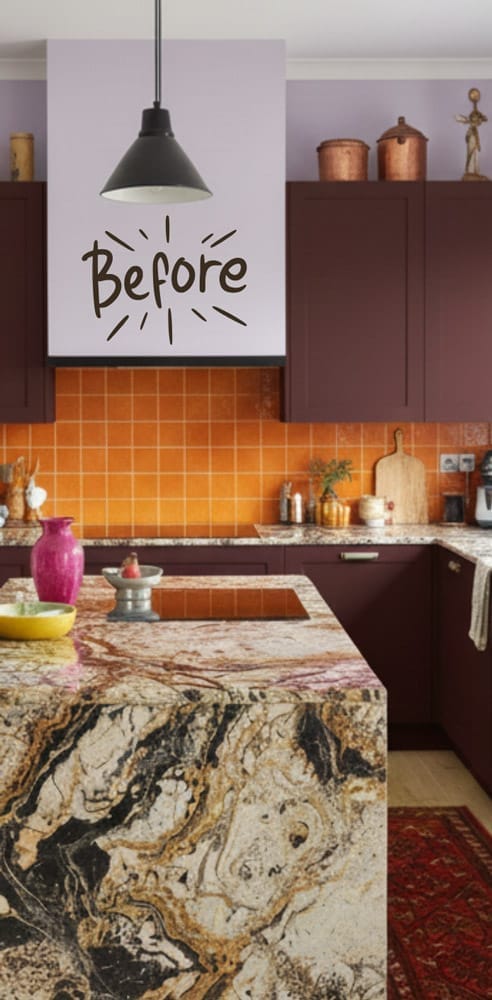


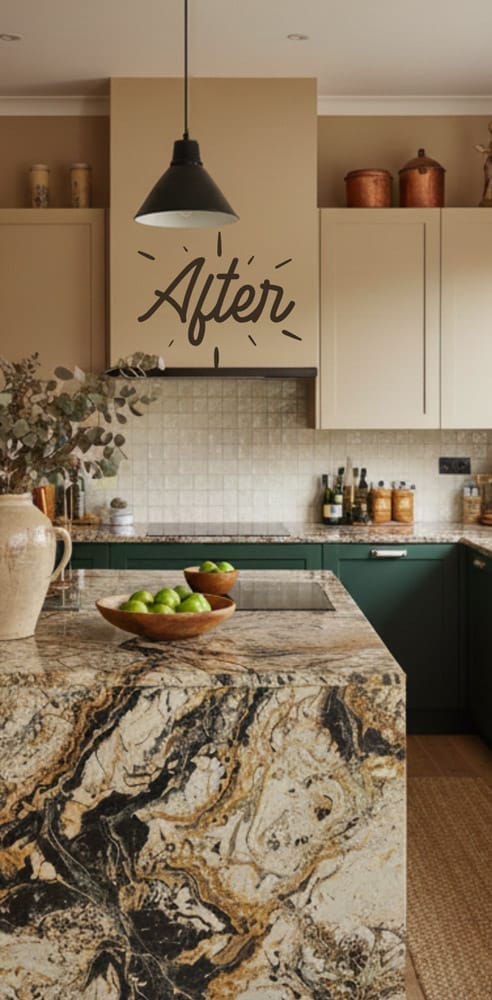
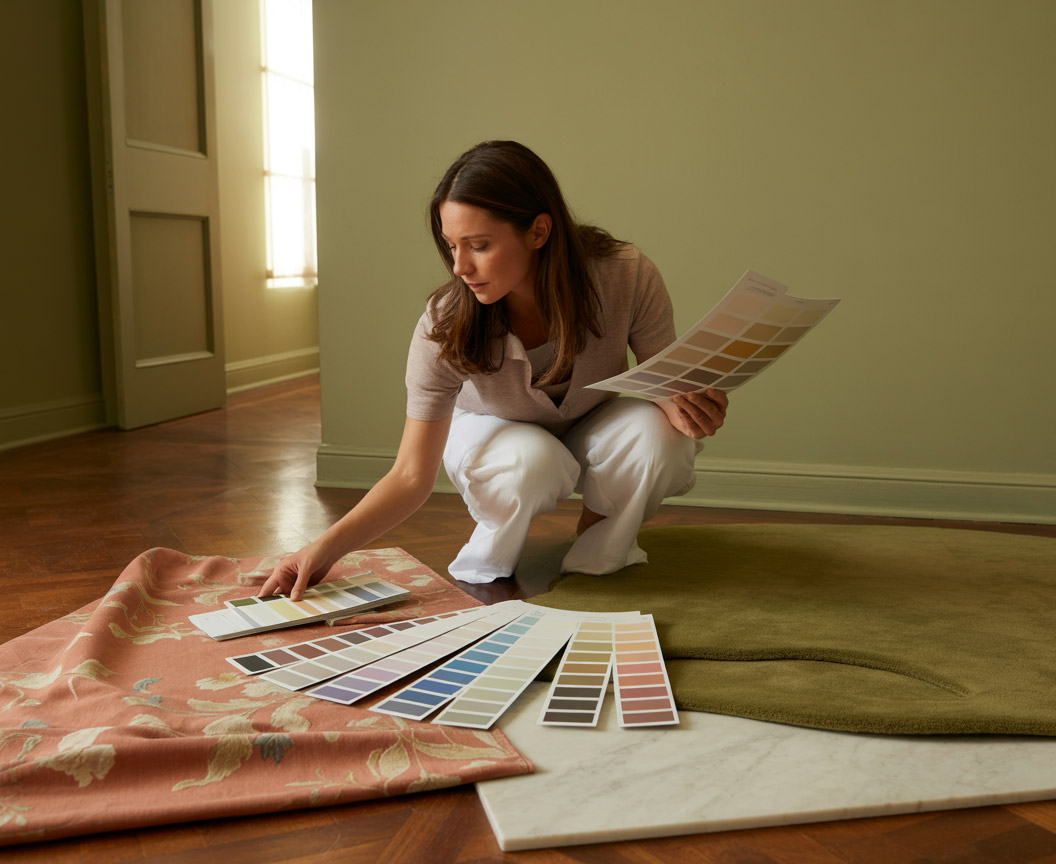
What You'll Walk Away With
A color palette that finally feels cohesive
Paint choices that complement your floors, tiles, and wood tones
Clarity instead of doubt when comparing colors
A method you can reuse each time you decorate
Confidence that your choices look intentional, not accidental
Your investment: $27
IS THIS GUIDE RIGHT FOR YOU?
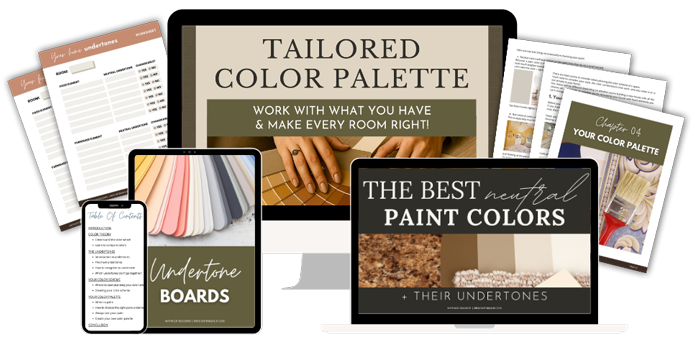

This guide is perfect for you if you want to:
Create a cohesive palette that works with the materials you already have
Understand why certain colors clash instead of guessing
Make confident decisions using a structured method
Learn foundational concepts like undertones, comparison, and visual balance
Stop repainting and finally commit to the right colors
This guide is not the best fit if you're looking for:
Ready-made paint color lists
A “just tell me what to paint my walls” solution
Make confident decisions using a structured method
Trend-based palettes that ignore your existing home
Something extremely quick that requires no analysis or learning

Why Learn Color From Me
I’ve always loved decorating, but choosing colors used to be the hardest part.
I could find inspiration easily but when I applied it to real rooms, the results didn’t feel cohesive.
Understanding undertones changed everything.
Once I learned how to analyze existing materials, compare colors correctly, and make decisions based on structure rather than intuition, color went from stressful to logical.
You've got questions? I've got answers!
You’ll learn how to work with the fixed elements you have now, even if you're not replacing them anytime soon.
It’s a digital PDF you can download instantly after purchase. You can print it or read it on a tablet, laptop, or phone.
No and that’s intentional. Colors don’t work the same in every home. This guide teaches you how to choose the right ones for your space, not someone else’s.
Yes. This works whether you're starting from scratch or adjusting existing choices.
Absolutely. You don’t need to know any design theory. The guide explains only what you need—and turns it into simple worksheets.
Yes. The method works with any aesthetic—modern, traditional, farmhouse, minimal, vintage, eclectic, etc. It’s about harmony, not style.
It’s actually a great time to learn. Understanding undertones early can help you avoid costly mistakes later.
I'd be glad to answer them. Contact me here.